


6thdaySoul


6thdaySoul is a vibrant community of talented musicians, vocalists, and DJs, dedicated to creating soul-stirring music experiences. Our diverse genres include jazz, country, gospel, soul, R&B, house, and hiphop.
Soulful 6, the founder, is a multifaceted artist, renowned for crafting mesmerizing beats, writing compelling lyrics, coaching aspiring vocalists, managing talents, and producing captivating music. Soulful 6 has also lent her exceptional voice to show intros and narrations, showcasing unparalleled creativity and passion for music.
Out Now
Timeless Love

Featured Artists


Ylani
Monet
Ylani Monet is a soulful lounge and jazz singer-songwriter from Puerto Rico, inspired by legends like Whitney Houston and Nina Simone. After moving to Colorado at 17, she honed her musical skills and collaborated with organizations like the Billy Graham worship music. A multi-instrument and dedicated performer, she captivates audiences with her authenticity and passion.


Your Breath is Power
Control the air and you control the note, the run, and the emotion behind it.
Vocal Tip of the Day
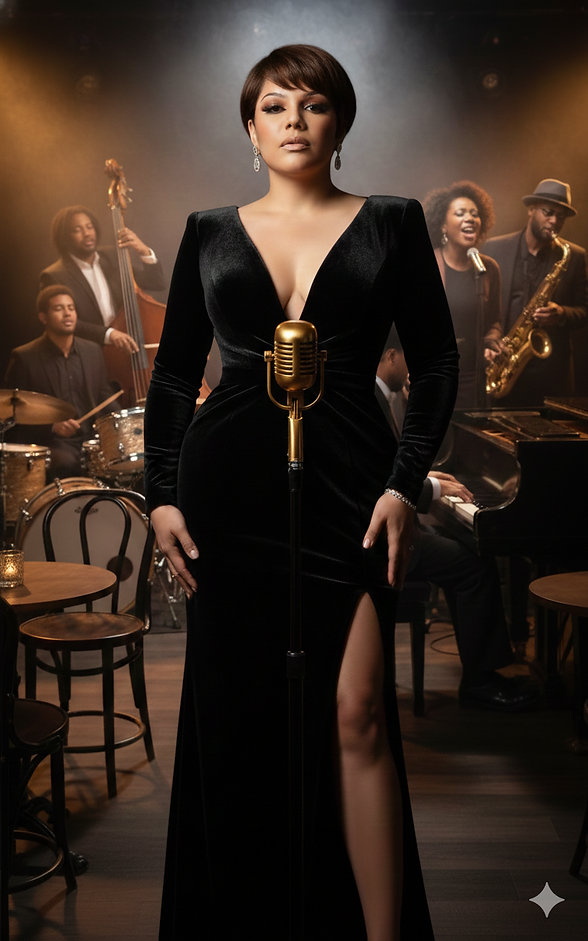

Soulful 6
Soulful 6, the visionary behind 6thdaySoul, is a dynamic performer, beat maestro, lyricist, vocal mentor, talent manager, and music producer. Renowned for crafting soul-stirring beats and evocative lyrics, Soulful 6 has also contributed her exceptional voice to show intros and narrations, showcasing unparalleled talent and passion for music.


the Music History corner
Curious about the stories behind your favorite music? Step into the Music History Corner—a special space on our site where the past comes alive through the legends, rhythms, and roots that shaped today’s sounds.
Whether you’re a lifelong music fan or just getting started, the Music History Corner invites you to explore the journeys of groundbreaking artists, milestone moments, and the cultural movements that turned simple melodies into global anthems. From the origins of the blues in the Deep South to the evolution of soul, jazz, and more, this corner is your go-to guide for fascinating insights and hidden gems from the world of music.
Is TikTok Still Breaking Artists in 2026?
For years, TikTok was the rocket launcher of the music industry. Unknown artists could go from bedroom recordings to chart placements overnight. A 15-second hook could change a life.
But in 2026, artists are asking a real question:
Is TikTok still the golden ticket?
The Algorithm Isn’t What It Used to Be
Early TikTok rewarded raw virality. Organic reach was generous. Today? The platform is more saturated than ever. Brands dominate feeds. Paid promotion plays a bigger role. The “overnight success” story is rarer.
That doesn’t mean it’s dead. It means it’s competitive.
Virality vs. Career
A viral sound does not equal a sustainable career.
We’ve seen countless artists trend once… then disappear. Why? Because visibility without strategy fades fast. Streams spike, but fan conversion matters more than views.
Artists who win now:
-
Build email lists
-
Capture fan data
-
Drive traffic to owned platforms
-
Release consistently
TikTok can open the door. It does not build the house.
Are Other Platforms Catching Up?
Short-form video isn’t exclusive anymore.
YouTube Shorts has grown aggressively, and artists benefit from YouTube’s built-in long-form ecosystem.
Instagram Reels integrates directly with existing followers and brand tools.
Diversification is the new strategy. Smart artists don’t rely on one platform — they syndicate content across all three.
What Works on TikTok Now?
In 2026, success on TikTok requires:
-
Strong storytelling, not just a hook
-
Personality-driven content
-
Community engagement
-
Consistency over randomness
-
Strategic release timing
The artists breaking through today treat TikTok like a marketing arm — not a lottery ticket.
So… Is TikTok Still Breaking Artists?
Yes.
But not by accident.
It’s no longer about hoping the algorithm blesses you. It’s about building momentum, studying trends, and moving like a business.
TikTok can still spark a career.
Just don’t confuse a spark with a flame.
The History of Jazz:
From the Streets of New Orleans to the World Stage
Jazz began in the late 19th and early 20th century in New Orleans — a city pulsing with African rhythms, blues, brass bands, Caribbean influence, and European harmony. It was not invented in one moment. It evolved from the lived experiences of African Americans, especially descendants of enslaved people who carried rhythm, call-and-response, and improvisation deep in their cultural memory.
The Roots: Blues, Ragtime & Spirituals
Before jazz had a name, there was the blues — raw, emotional storytelling born in the Deep South. There was ragtime, popularized by pianists like Scott Joplin, whose syncopated rhythms laid the groundwork for swing. There were spirituals and work songs that shaped phrasing and expression.
Jazz took all of it — and improvised.
Early Jazz & The Great Migration (1910s–1920s)
As Black communities migrated north during the Great Migration, jazz traveled up the Mississippi River to cities like Chicago and New York City. By the 1920s, known as the “Jazz Age,” the music exploded in popularity.
Legends like Louis Armstrong transformed the art form, elevating improvisation and introducing a vocal style that changed singing forever. Around the same time, powerhouse voices like Bessie Smith brought blues-infused jazz to massive audiences.
The Swing Era (1930s–1940s)
Big bands took over ballrooms across America. Artists like Duke Ellington and Count Basie led orchestras that defined the Swing Era. Jazz became dance music — energetic, bold, and wildly popular.
Bebop & Innovation (1940s–1950s)
Then jazz got intellectual. Fast. Complex. Unapologetically artistic.
Musicians like Charlie Parker and Dizzy Gillespie pioneered bebop — a style built on intricate harmonies and rapid improvisation. Jazz shifted from dance halls to listening rooms.
Cool Jazz, Hard Bop & Modal (1950s–1960s)
Artists such as Miles Davis pushed the boundaries even further. Albums like Kind of Blue (1959) helped define modal jazz — spacious, emotional, and timeless.
Jazz continued to evolve through hard bop, soul jazz, and eventually fusion, blending with rock, funk, and global influences.
Jazz Today
Jazz is no longer confined to one sound. It lives in neo-soul, hip-hop, R&B, and experimental music. You can hear its influence in artists across genres — from traditional vocalists to boundary-breaking producers.
At its core, jazz is freedom.
Improvisation.
Conversation.
Truth in the moment.
It began in community.
It survives through expression.
And it still asks the same question every night:
What are you going to say when it’s your turn to solo?